Posts

Blog Post Week 6

Image
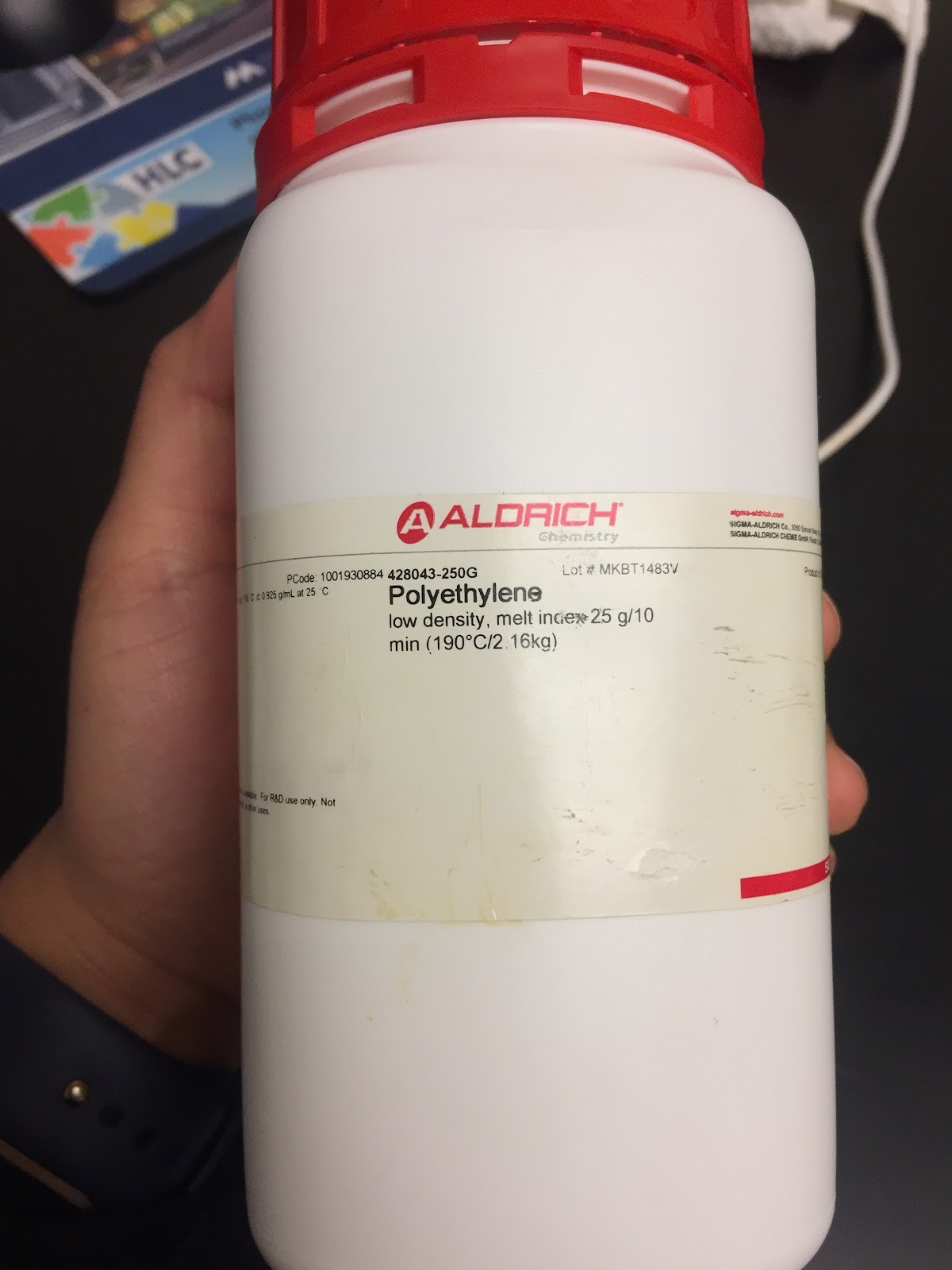
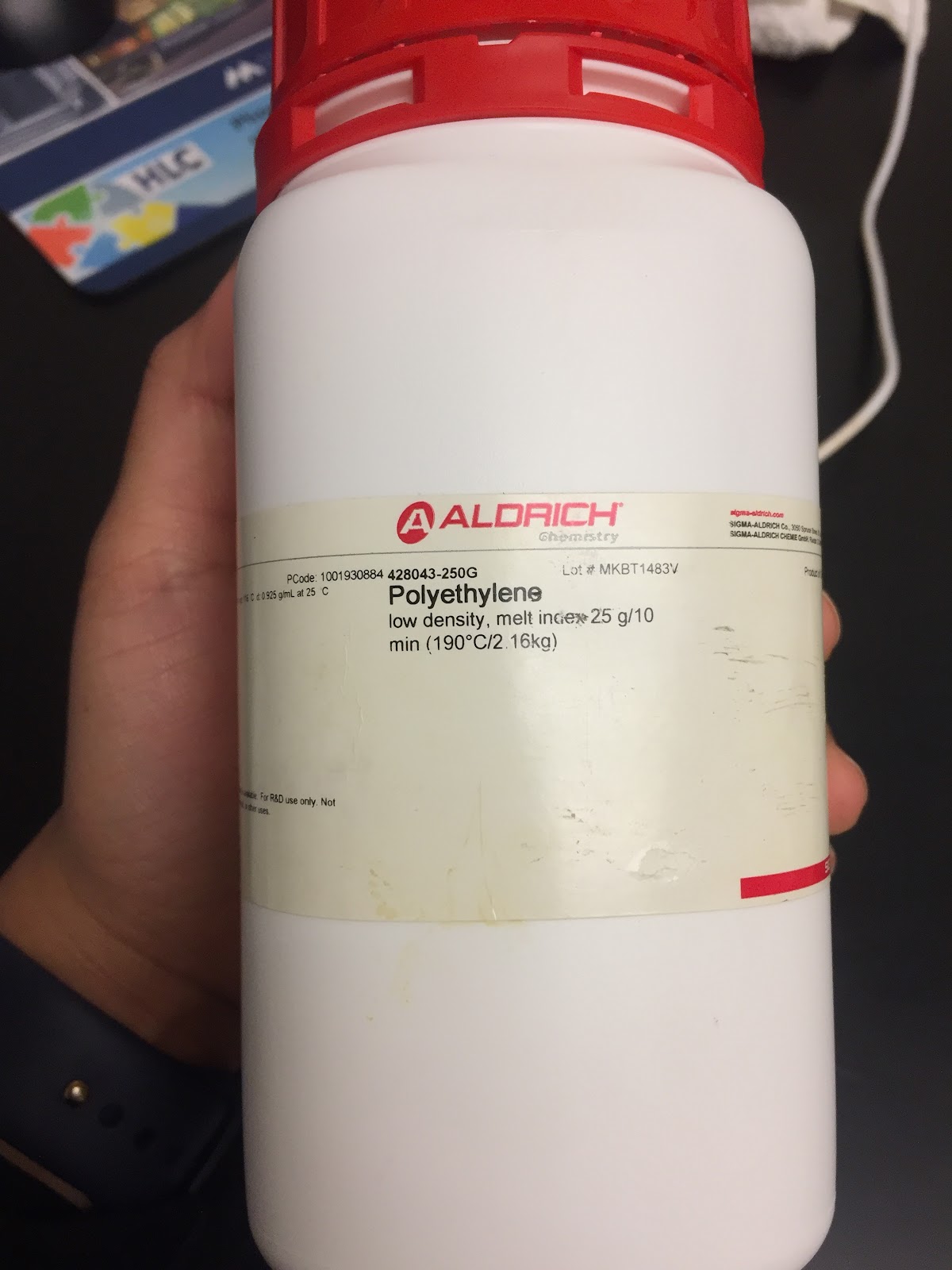
Blog Post Week 5 Protocol for melting Low- Density Polyethylene Get 11g of SPI 4 (Low- Density Polyethylene ) and put it into a pan, making sure that all the little beads are next to each other and do not spread everywhere. Autoclave the plastic. Press the pedal with your foot that is located on the bottom right corner of the machine, to open the sliding door and carefully place the pan into the machine making sure that the beads do not spread around but maintain all together into a single place. Press the pedal again on the bottom right corner to slide close the machine. Press the button that says “melt”. That is going to heat up for 40 minutes at 121° C , which involve: Cooling & Sterilization. Once the machine finishes up, there will be a beeping alarm that goes on. Put plastic gloves on first and then a pair of cooking mittens on grab the pan carefully with the mittens and put on counter shelf. The plastic should be melted completely and should be easy to remove from...

Blog Post Week 4

Image
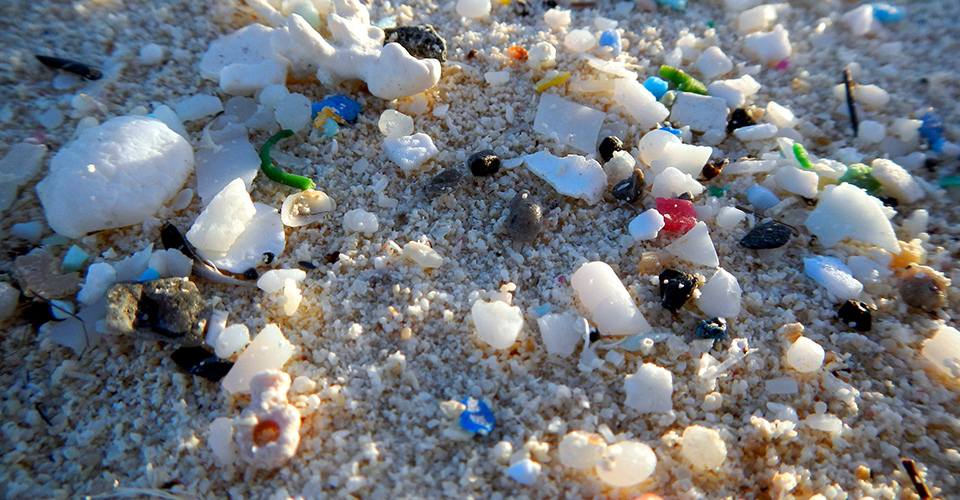
Presentation Title: Testing for Protocols Extraction of Microplastics from Sediment Research Question or Hypothesis *     The NOAA has developed a protocol, , for isolation of microplastics from environmental sediment samples,( Method for the Analysis of Microplastics in Water Samples (2016) .Micro Plastics are plastics particles smaller than 5.0 mm in size. There are two main ways microplastics are formed and enter the body of water: primary and secondary microplastics. Primary microplastics consist of manufactured raw plastic material; virgin plastic pellets, scrubbers, and microbeads that enter the ocean via runoff from land. Secondary microplastic occur when larger plastics items enter a beach or ocean and undergo mechanical, photo and/ or biological degradation. The degradation breaks larger pieces into progressively smaller plastic fragments which eventually become undetectable to the naked eye.  The purpose of this research is to determine how effecti...

Blog Post Week 3

Image
The Shredding of Polyethylene The picture above from me is Low density Polyethylene, also known as SPI 4. Which items like Plastic cling wrap, sandwich bags, squeezable bottles, and plastic grocery bags are made of. This product was given to me by Matt who found it in the chemical room. I decided to use it instead of using the Plastics bags since this will be easier to shred. The Polyethylene approximately needs to be at least ⅓ of it size to fit the size of a micro plastic.It also needs to be shredded because over time plastic dissolves and turns into smaller and smaller fragments. So what I was thinking for this shredding process is to superglue a lot of the beads into like a bar soap looking shape, and then just shredding them with the object that looks like a nail filer, therefore I should be left with dust particles in the end.

Blog Post Week 2

Image
Problem or observation:  Increasing amount of microplastics debris in both marine and freshwater systems has become an emerging issue affecting aquatic life. Research question: Is there a way to dissect microplastics from the seven known plastics? Background information: Micro Plastics are plastics particles smaller than 5.0 mm in size. There are two main ways microplastics are formed and enter the body of water: primary and secondary microplastics. Primary microplastics consist of manufactured raw plastic material; virgin plastic pellets, scrubbers, and microbeads that enter the ocean via runoff from land. Secondary microplastic occur when larger plastics items enter a beach or ocean and undergo mechanical, photo and/ or biological degradation. The degradation breaks larger pieces into progressively smaller plastic fragments which eventually become undetectable to the naked eye. Microplastics have many use; personal care product such as exfoliants...

Blog Post Week 1

Chart of different types of plastics Examples: SPI Code: Density: Made With: Medicine jars, peanut butter jars, combs, bean bags, and rope 1 1.38 g/cm^3 Polyethylene Terephthalate Containers for, mik, motor oils,shampoo & conditioners, soap bottles, detergents, and bleach 2 0.97 g/cm 3 High Density Polyethylene Pipes, and tiles 3 1.3–1.45 g/cm^3 Polyvinyl chloride Plastic cling wrap, sandwich bags, squeezable bottles, and plastic grocery bags 4 Range of 0.910–0.940 g/cm 3 Low-density polyethylene Plastic diaper, tupperware, margarine containers, yogurt bottles, syrup bottles, prescription bottles, stadium cups 5 0.855 g/cm 3 , amorphous 0.946 g/cm 3 , crystalline Polypropylene Coffee cups, plastic food boxes, plastic cutlery, packing foam, packing peanuts 6 0.96–1.04 g/cm 3 Polystyrene Baby bottles, large, compact discs, medical storage containers 7 Acrylic : 1.18 g/cm³ Nylon : 1.15 g/cm³ Polylactic Aci...

Blog Bio Page

Image
Welcome new S-Stem students and welcome to the best experience you will obtain through out your second semester at Phoenix College. This will be my third time returning to S-Stem and it has been the best experience I have had through out college days by far. I am currently working on a new lab this semester and am so happy to be working with WAESO, because it means more experience and outside knowledge that I have not had before. My current interest is biology and doing research projects, and more into depth with that. I am working on my associates in science while at Phoenix College. Then I hope to go to ASU  where I want to work on my bachelors in biology . I have had the best experience here at S-stem, I have met new friends and limited my interest to what I wanted to because before I was so all over the place and didn't even know what I wanted to major in. Josh, Cori, and Matt are great advisers and I look forward to working with them in the future more.

Blog Post Week 11

Image
This week has been very stressing, all these deadlines are really killing me. My eyes are becoming very dim day by day from staring at a computer screen for too long. Though my organizational skills have really kept me on track with everything and made sure everything is getting done at its right time. This research paper was the hardest paper I have ever had to write. Maybe because when i could look up some research the articles were always so hard to understand because of the big words and having to open up tabs from tabs to clarify what exactly I was reading. While I also went over my paper with Josh he pointed out that if I didn’t know some words he would best recommend me to have a flash card and identify key vocabulary that I don't know incase question about certain would be asked by the audience on presentation day. Other than that I have just been working on my conclusions this past week, but it keeps asking for graphs in each part and I don’t want to repeat and repeat the ...