Posts

Blog Post Week 8

Image
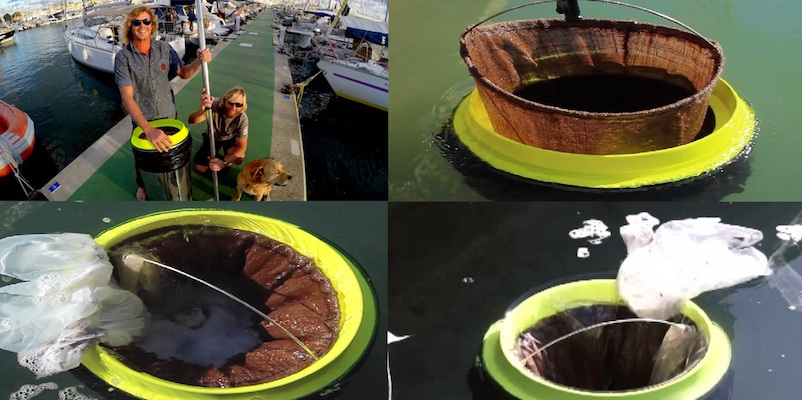
Seabin, is a floating debris interception device that traps an estimated 1.5 kgs debris per day. The Seabin is a project created by Pete Ceglinski, and his team ( Andrew Turton, Sascha Chapman and Sergio Ruiz Halpern). The project was created to try to eliminate trash from water surfaces and educate society about the dangers of dumping trash in water surfaces. “ The issue of marine litter is one that will have to be dealt with for generations to come and therefore we need to provide the knowledge, tools and capacities to the decision-makers of the future, our children. Education is the first step to lasting and effective solutions. With marine litter, children can play a direct and significant role in reducing the sheer amount entering the oceans. Every child who learns to dispose of trash properly can be one less “source” person littering and they have the potential to spread the word to friends and family virally amplifying the effect.” (Seabin Project For Cleaner Ocean). I have tri...

Blog Post Week 7

Image
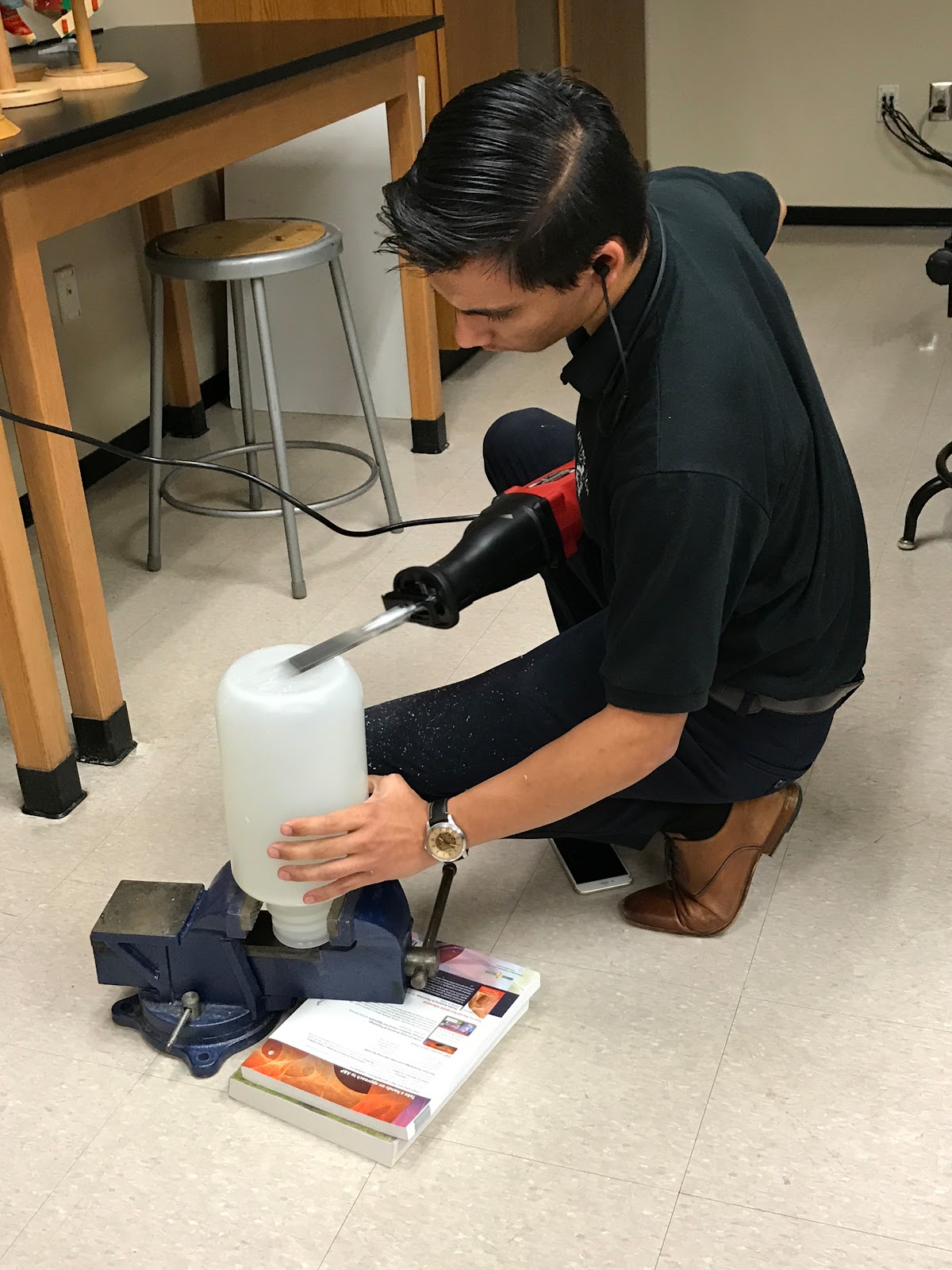
This week in lab I shredded SPI 4, I was able to produce enough for perhaps multiple trials. Also we now have enough plastics that covered every plastic besides SPI 1. The only trouble was that with SPI 6 was that since it is Styrofoam, we have to wet the Styrofoam first in order to break it into small pieces because of the attraction that they hold together. Then after we broke it up then we had to dry it up which took a while because the Styrofoam absorbed the water.  

Blog Post Week 6

Image
This week in lab I finished all the NaCl samples that were run through the vacuum machine. I also ran them with hydrogen peroxide for at least 3 days so that it could get rid of all the nature particles that could be perhaps ruin the measuring at the end. Once all the samples were dried there were some that had sodium chloride attached to them, so because that could have been also a percent error when measuring the plastic I had to clean them and wash them off with DI water and run them through the vacuum machine again. In the process of doing that I ran out of the filters that are attached to the machine so I really only got done with half of the 30 samples. Matt will be ordering more filters the following week but mean while I will be getting the next samples ready that will be run with potassium carbonate. I will have to shred more plastic for all 30 samples again. I have finished collecting sediment and those will be distributed. Really wish we had one of these machines that could...

Blog Post Week 5

Image
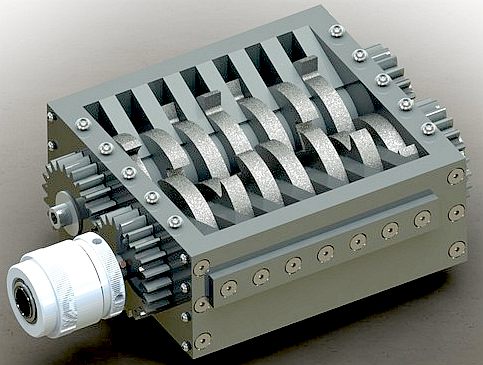
This week in lab today I had the help from a former STEM student at Phoenix College come and help me remove the following sediment that was left in the containers with the plastic. So, what would have taken me a week or so to remove the sediment, only took a day to finish which was 5 hours since we both started at the same time. This week as well Brian showed us how he shreds plastic with the shredding machine that Matt purchased. The machine is great and it produces a significant amount of plastic within hours instead of weeks when I would just use the cheese grinder. The only objective now would be to find solid plastic that has smooths surfaces around it because it makes it easier to shred and is not much of a hassle. 

Blog Post Week 4

Image
This week I have found a way to extract the leftover sediment from the containers, which required me to make another batch of 5M NaCl, which also meant I ran out of Salt already but don’t think I will be needing more anytime soon. I will be extracting some leftover sediment this week and the next. Hopefully it doesn’t require a lot of time because I want to get started on the Potassium Chloride extraction already. The only thing I am not really looking forward to with that run is having to get microplastic shredded again. The good thing is that Matt purchased this like machine that Brian tried out and he was able to produce 150 mL of of SPI 2 within about an hour compared to taking me 1-2 weeks to produce that much of a single plastic kind. We will continue using the machine that was purchased but we have to make sure we are using solids plastic because the machine will only produce more efficient if they are solids. 

Blog Post Week 3

Image
During this week I have just been trying to find a way to extract the leftover sediments from the containers because when I measure the plastic I want to make sure that I am not measuring the sediment with the plastic but rather the plastic by itself. I definitely thought it was going to be easy just removing the sediments from the containers but it hasn't been so easy. The sediment is way on the bottom and trying to remove it without removing the plastic or getting plastic out is a bit hard because some plastics stick to the sediment. What I have going on now is just writing the protocol for extracting plastic from 5M NaCl. It should really be so hard other than just rewriting copy and pasting from the first protocol but adjusting it a bit. 

Blog Post Week 2

Image
This week in Lab I finally measured the mass of my plastics after the funnel extraction process and found that their wasn't actually much of a difference, not much plastic was lost and there was a significant amount of plastic left to reuse in the second process of the microplastics extraction but this time with NaCl. While beginning this project I did have two incidents that stopped me from continuing my project, but all was fixed within a couple of hours and I have continued the funnel extraction of microplastics from NaCl. The reason we are now testing the microplastics extraction with NaCl is because ocean water is basically Salt water and that is what the world revolves around. I predict that the difference of NaCl from DI Water will not make a difference because i basically is water still just wil salt added. On a side note I forgot I had a few cuts on my hand and when I was running the plastic with NaCl my wounds started to hurt and sting a little more, which was a pretty ...